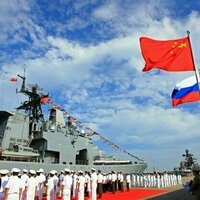


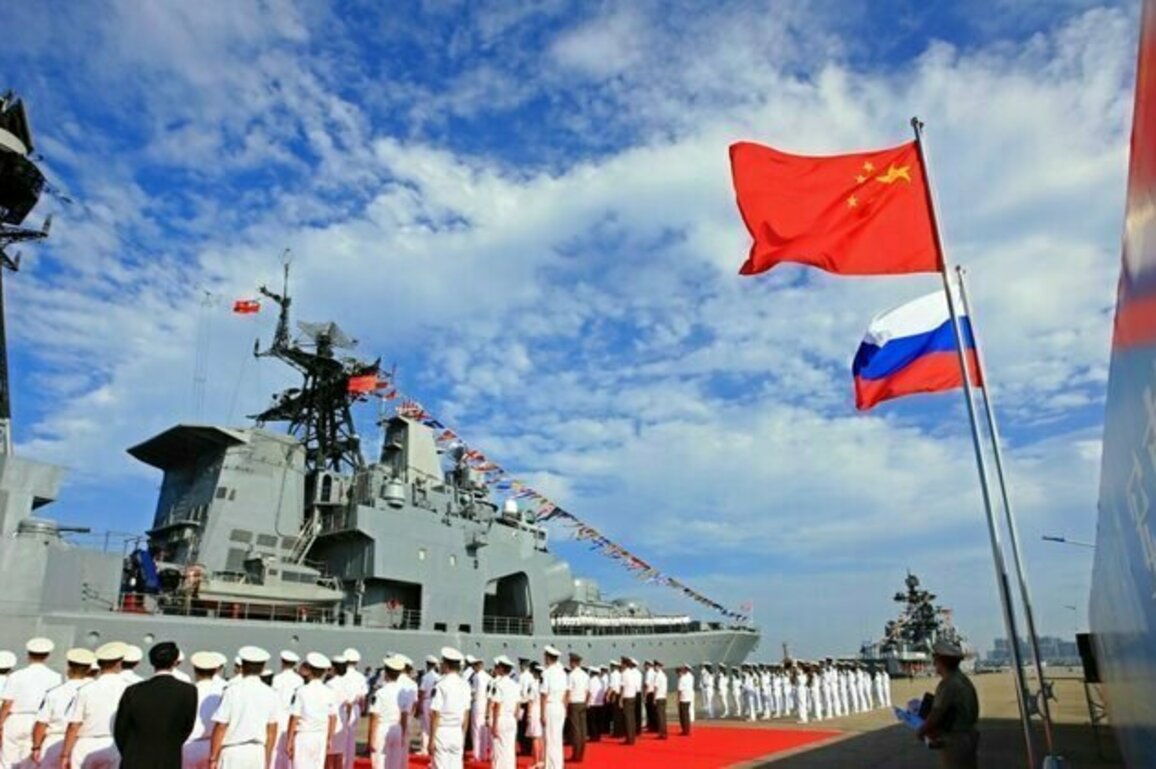
China and Russia have kicked off joint naval exercises near the coast of the Russian port city of Vladivostok as the two countries continue to deepen their ties through military cooperation.
The five-day exercises that began on August 1 have been dubbed Maritime Interaction 2025 and will see naval forces from both countries training in anti-submarine warfare, air defense, search-and-rescue operations, and joint gun exercises,accordingto a statement from Russias Pacific Fleet.
SEE ALSO:
From Ukraine To The Pacific, Trump Administration Faces New Threats From China-Russia Partnership
The drills are annual naval exercises between Chinese and Russian forces that are part of an accelerating trend of strengthening security ties through bilateral and multilateral exercises. According toThe Center for Strategic and International Studies (CSIS), a Washington-based think tank, Beijing and Moscow have carried out 113 combined exercises since 2003.
But in a sign of the quickening pace of their cooperation, half of that total has taken place in the last six years alone. China-Russia joint exercises have a wide geographic reach but have become especially concentrated in the Pacific in recent years.Increasing tension around Taiwanand threats coming from North Korea risk transforming the region into a future flashpoint.
"The international society is in a new crisis era as it faces the biggest challenges since the end of World War II, Japans Defense Ministry said inan annual reportreleased in July that cited Chinas growing military cooperation with Russia and an escalating US-China rivalry as chief security concerns for the region.
How Does China-Russia Security Cooperation Affect The Pacific?
China's Defense Ministry spokesperson Zhang Xiaogang said that the August 1-5 drills are not aimed at any other country or related to the current international or regional situation, but Japan hascontinued to warnthat the tightening cooperation could lead to growing tensions in the future.
In its annual defense report, Tokyo said that some of Russias newest military hardware has been deployed to the Pacific and that Moscow has added troops, missiles, and warplanes to islands north of Japan, which the Soviet Union took toward the end of World War II, but which Japan says are sovereign Japanese territory illegally occupied by Russia.
Chart: Joint Russia-China Military Exercises
Tokyo also says that Russia maintains active military operations around Japan and has violated its airspace. In light of these developments, Japan's Defense Ministry warned in July that increased strategic cooperation between Beijing and Moscow -- including enhanced military exercises -- pose strong concern for the countrys security.
Japan also recently echoed similar concerns raised in the past by the European Union andAsian governmentslike Taiwan and the Philippines that Russias three-and-a-half-year-old full-scale invasion of Ukraine, and Beijings continued economic and political backing for Moscow amid the war, could negatively affect the security situation in Asia.
Map: Joint Russia-China Military Exercises In 2024
The security of Europe and the Indo-Pacific is inseparable, the Japanese Defense Ministry report said, warning that a Ukraine-like war is possible in the region without going into specifics.
Why Are China and Russias Militaries Training Together?
While China and Russia do not have a formal military alliance, CSIS noted in its report tracking China-Russia military cooperation that joint exercises are a newer and thriving element of China-Russia military ties and a driver behind the strengthening of China-Russia relations in recent years that bring several benefits, particularly for Beijing.
SEE ALSO:
Taiwan Is Watching Ukraine And Trump. Here's What It's Learning.
According to the study, enhanced exercises allow the Peoples Liberation Army (PLA), Chinas military, to gain valuable experience operating with the far more experienced Russian military and afforded the PLA opportunities to practice maneuvering in a variety of geographies and climates far from Chinas borders.
Ananalysis published in Mayby the Mercator Institute for China Studies (MERICS), a Berlin-based think tank, also noted that the growing number of exercises serve operational purposes while also signalling political alignment against regional rivals as both Beijing and Moscow look to challenge the United States and its allies in the Pacific and elsewhere.